
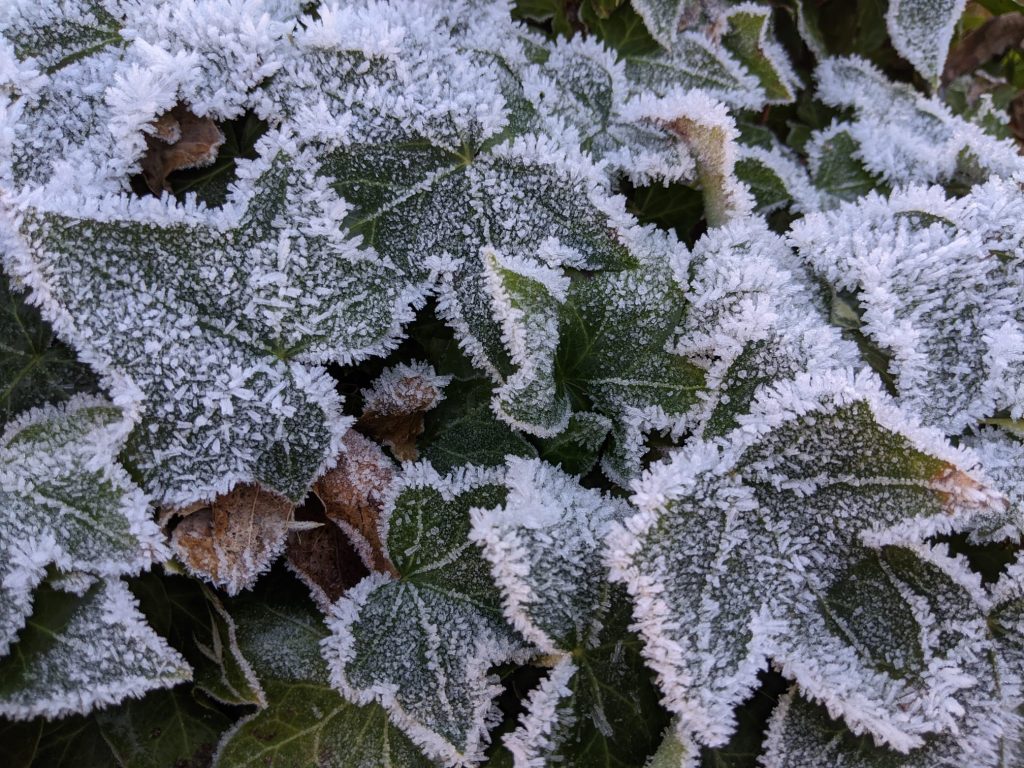
Celebrating Christmas with consideration to our environment is the best present we can offer to future generations. This short blog presents a few ideas, which could be tried at your home. Every positive change will help to reduce climate crisis and make the dreams of “White Christmas“ come true.
Oh, Christmas Tree…
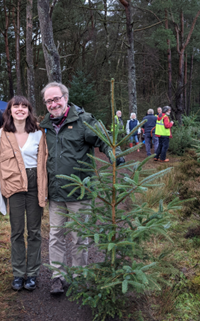
Fresh trees are better than plastic. When a plastic tree is produced its effect on environment becomes neutral only after 20 years and when it is binned, the plastic decomposes for thousands of years poisoning us.
Best is to buy fresh tree from local producers (to reduce carbon dioxide from transport) like The Kilted Christmas Tree Co.
Or try the Portmoak Christmas Tree event (on Portmoak Moss). The trees are harvested from the moss, which is part of the peatland restoration process that captures carbon. The event date is advertised on Portmoak Community Woodland Group webpage.
Disposing of the tree

After Christmas it is important to dispose of your fresh tree in the least damaging way. Consider burning it in your wood burner or garden as this causes less carbon emission than composting on a dump where it releases methane. The needles can be used in a garden under acid loving plants like rhododendrons or hydrangeas.
Christmas decorations
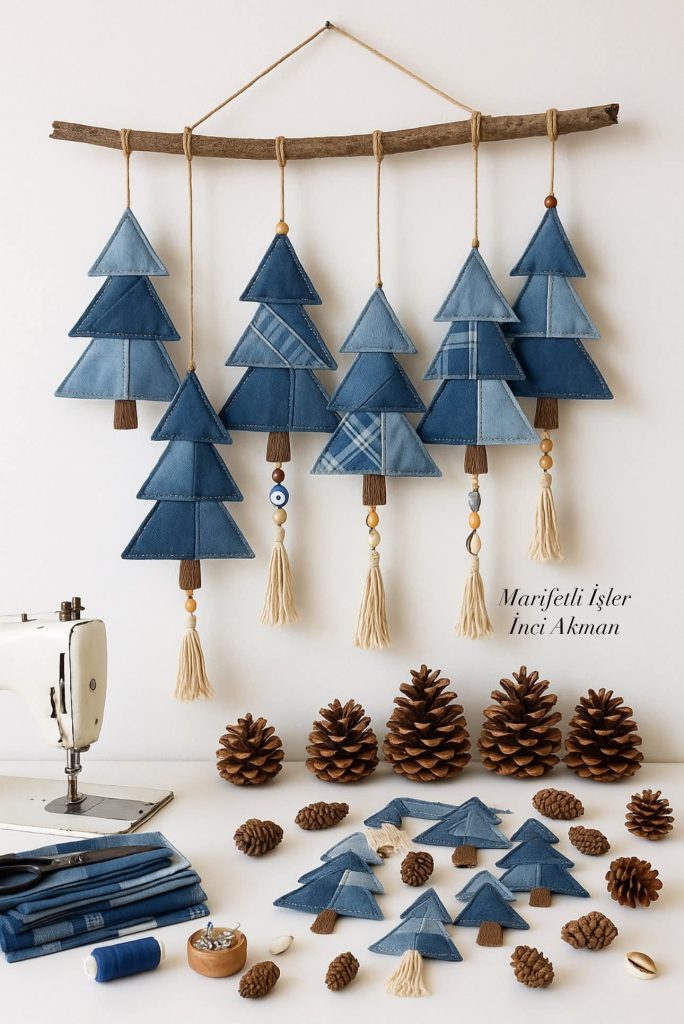
Natural are better as they can be composted/recycled. Fresh holy or ivy (pruned in time for Christmas) make the best accent to decorate your home and bring fresh smell without a need for expensive candles.
There are lots of great ideas online – origami stars from recycled coloured magazines or maps, crochet decorations, upcycled art, baked slices of orange with cloves and more. Enjoy your creativity.
Christmas presents
When buying loved ones presents, it is best to buy less and something significant.
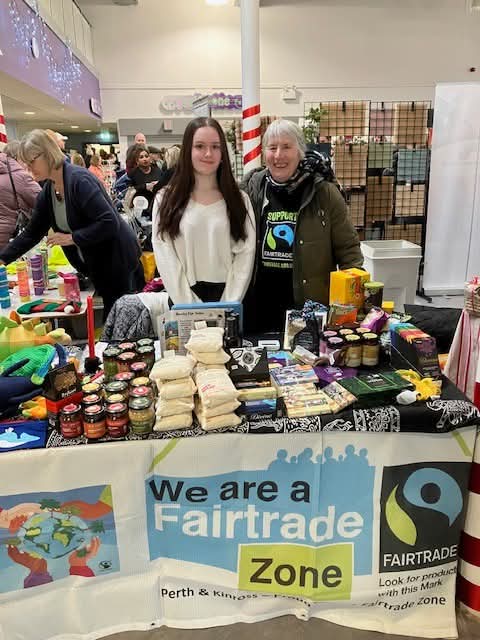
The best is local produce to support our economy and reduce transport effects – avoid gifts made in China. Local shops in Kinross – Kind Pantry, Read & Relax, Tartan Kipper, Skins and Bobbins and others are at your door step and offer attractive gifts. Choose ethical gifts like Fairtrade produce or charity shops. Try to make a gift made at home or consider making a gift of giving to support a charity.
Wrapping should be natural, uncoloured paper without glitter (glitter contributes to micro plastic). You can decorate the gifts with green leaves and a fabric ribbon that can be reused.
You can also try Furoshiki – traditional Japanese wrapping cloths which are used to wrap or transport gift and are passed on from one person to the next.
Christmas food
As it is time to meet friends and family it is hard to plan to get the right amount of food on the table. Also, as it is a time to celebrate so we like to prepare that special turkey or a roast.
When buying food – choose locally-produced food – again to support local economy and reduce transport
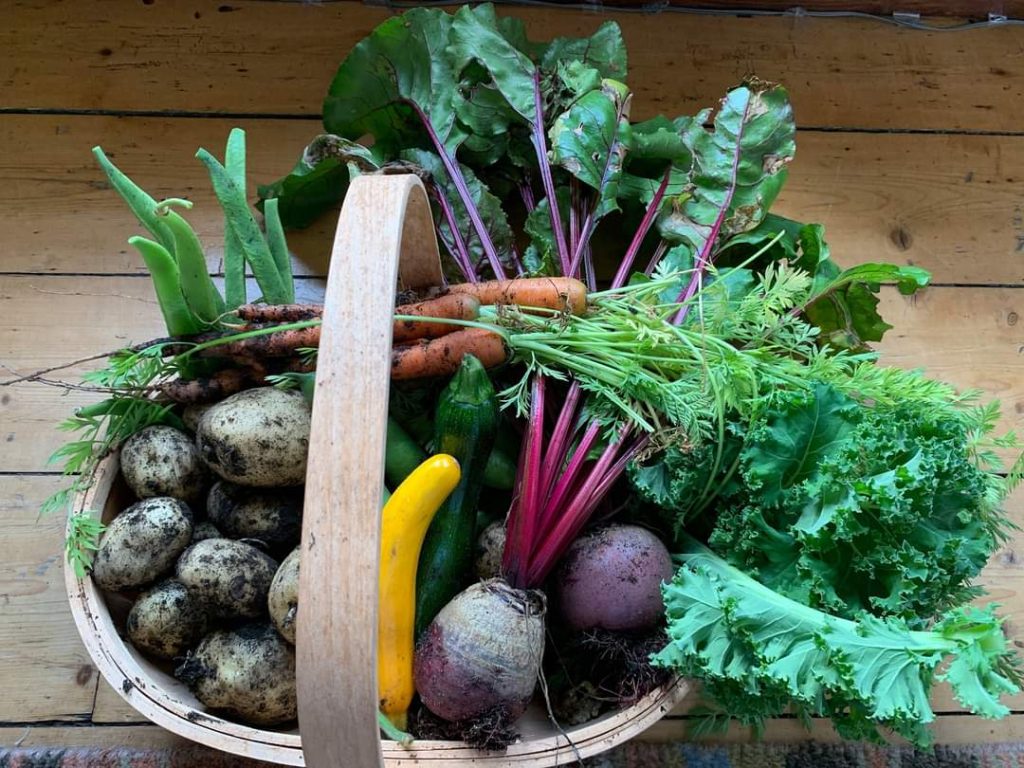
Although it is much better to limit meat consumption, the most important is not to waste food. Every year in the UK there are over 900,000 t potatoes, poultry and carrots wasted at Christmas. This causes up to 1,530,000 t carbon emission.
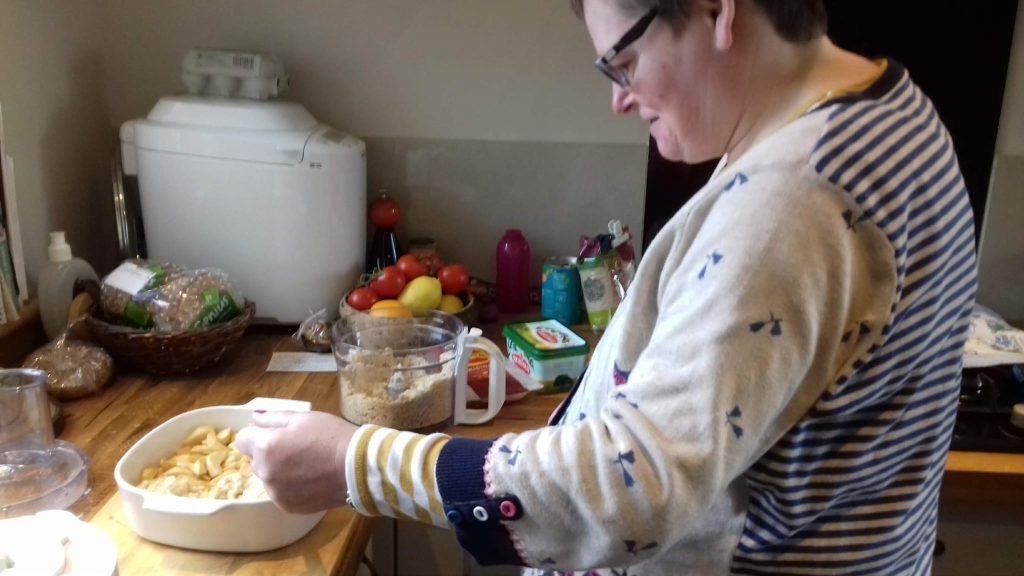
Planning well and re-using left-overs in subsequent meals is important (soups, warm salads).
There are online planners that help with this like the Zero Waste Guide to Meal Planning
Being resilient
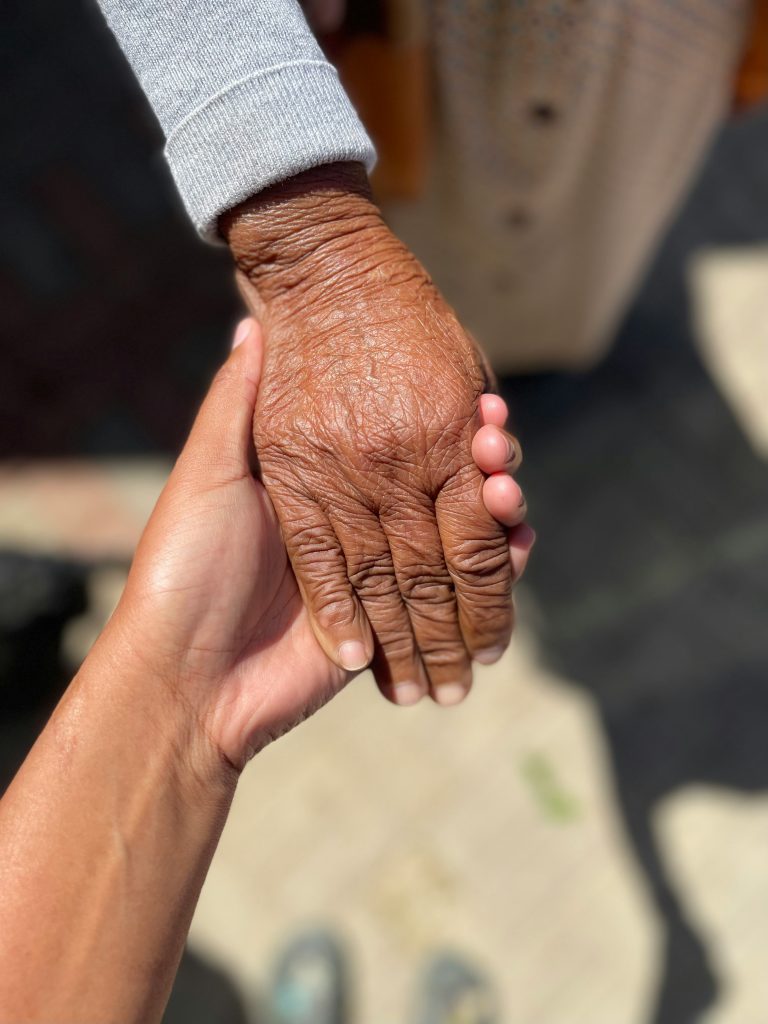
There is a Polish tradition at Christmas Eve to leave one empty place at your table for an unexpected visitor. It was believed that a guest in need brought happiness to home.
I am not sure if it is practised still, but this custom relates to building resilience in climate crisis – when we build stronger community links and help each other. Not only with our friends and family, but neighbours too. We do not need to start big feasts of whole neighbourhoods as it is practiced in Spain. But just ensuring those who are close by are ok. And I am sure many of us are doing this already. This is perhaps the best way to celebrate Christmas.
